Gift Guide for Flower Farmers, Gardeners & Flower Lovers
Thoughtful tools, books, and resources that get used year after year
In the early years of flower farming, many of the tools and resources I still rely on today were actually gifts.
They weren’t always things I would have prioritized for myself at the time — quality trays, certain books, memberships, or tools that felt more like a “nice to have” than a necessity. But those gifts ended up being used season after season, quietly shaping the way our farm runs today.
This gift guide is built around practical, thoughtful gifts that grow with you as a farmer. Everything here is something we’ve used on our own farm or have come to genuinely value over time.
Whether you’re shopping for a flower farmer, a gardener, or a flower lover — or simply looking for ideas for yourself — these are gifts that don’t get tucked away. They get used.
This post contains affiliate links to products we use and love. If you purchase through these links, we earn a small commission at no extra cost to you—thank you for supporting our farm and content!
Tried-and-True Farm Tools We Love
Having the right tools can make a significant difference throughout the growing season. Some tools are underrated in the impact they can make — especially for growers working within a budget. Many of my favorite tools actually came to me as gifts, and they’ve become staples on our farm over the years. Below are a few personal favorites.
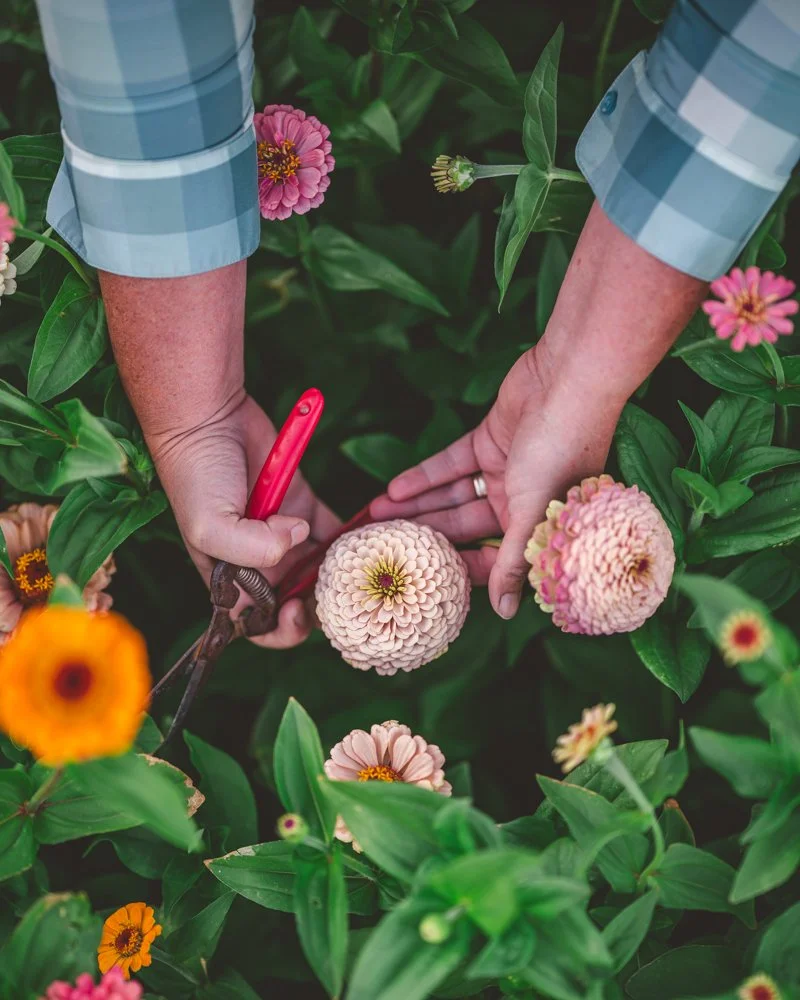
Snips & pruners
A really good pair of snips is one of those tools you use every single day. I love the snips we use from Bootstrap Farmer; they are incredibly lightweight and great for harvesting. Another pair I adore — a Japanese style — actually came to me as a gift and surprised me with how much I loved them, so much I invested in multiple pairs. I love them especially for floral design work. Both are excellent options depending on hand feel and preference.Soil blocker kits
One of the most versatile tools a flower farmer can own, especially early on. A soil blocker kit essentially gives you endless “propagation trays” and helps build strong root systems from the start — a huge advantage for healthy transplants.The soil blocker kit from Bootstrap Farmer is a great place to start. Most flower seeds don’t need more than the smaller block size, and this kit includes trays as well, making it easy to get going while saving both space and money.
72-cell Air Prune trays
These are an incredible gift and something many growers hesitate to splurge on for themselves. They offer many of the same root-health benefits as soil blocks, but with much less effort — especially helpful for root-finicky crops like zinnias.Mesh trays & deep trays
These don’t always make the shopping list when budgets are tight, but they’re unbelievably useful. We use them for seed starting, planting out, organizing transplants, and even drying seed heads at the end of the season.Silage tarps
A surprise game-changer for many growers. Silage tarps dramatically reduce weed pressure and save time and energy, but they’re often something people don’t think to buy for themselves. As a gift, they can completely change how a farm operates.To learn more about silage tarping, check out our guide here.
Air Prune tray inserts (4- and 6-cell)
These are fantastic for larger starts like butterfly ranunculus, sweet peas, and dahlia seedlings or cuttings. They make propagation easier, cleaner, and more successful — especially when you’re managing a lot of starts at once. Adding those deep trays helps keep them tidy and allows for deep watering.
Upgrading to quality tools is one of the biggest shifts a grower can make — not just for efficiency, but for longevity. Many of these were gifts to me once, and I’m still grateful for them every season.
If you’re curious about what we actually rely on when starting seeds each season, I’ve shared a more detailed breakdown of Sierra Flower Farm’s must-have seed starting supplies here.

Books That Truly Shaped Our Farm
If I have one vice, it’s buying books. I love them. They’re a source of inspiration and, when I need it, a retreat into another world (fantasy reader here). If there’s one thing I can always make space for — aside from more plants — it’s books. I probably own more books than shelf space would suggest is reasonable.
Over the years, I’ve collected just about every flower farming and floral design book I could get my hands on. Many are beautiful and inspiring, filled with gorgeous photography. But while they sparked creativity, some lacked the depth I was really looking for.
The books below are different. These are the ones that genuinely shaped our flower farming business, expanded my knowledge, and influenced how we make decisions on the farm.
Deadhead: The Bindweed Way to Grow Flowers
by Jeriann Sabin & Ralph Thurston
This book genuinely changed how we think about profitability and intentional decision-making on the farm. One tangible outcome? It inspired us to purchase a cargo trailer and convert it into a mobile studio that doubles as a floral cooler — an investment that improved workflow and efficiency in a real way. This is a book I’ve returned to often, with notes and highlights throughout.
The Flower Farmer
by Lynn Byczynski
This was the very first flower farming book I purchased, back when I was working within a tight budget and still chasing the idea that flower farming could become something real. Even the simple list of flowers felt like a gem. It’s approachable and encouraging, and it gave me permission to start — to tackle that first season without needing everything perfectly figured out.
Specialty Cut Flowers
by Allan Armitage & Judy Laushman
This is one of my most-used reference books. If The Flower Farmer is an introduction, this one functions like a dictionary of specialty cut flowers. Organized A-to-Z, it covers propagation, growing conditions, harvest timing, postharvest handling, and pests and diseases. I’ve written notes in mine and still pull it off the shelf regularly.
Postharvest Handling of Cut Flowers and Greens
edited by Judy Laushman with contributions from John Dole and others
If the previous book is a dictionary, this is its companion — going deeper into harvest and handling. Many growers produce beautiful blooms but fall short at this stage simply because they don’t know what’s possible. This book fills that gap and taught me options I never realized existed — like dry-storing ranunculus. A resource I still revisit today.
The Lean Farm
by Ben Hartman
Not a flower farming book, but incredibly helpful for thinking about systems, efficiency, and reducing wasted time and effort. It gave us language and structure for improving workflows — especially valuable when resources are limited.
How to Grow More Vegetables (Ninth Edition)
by John Jeavons
We leaned on this book heavily when we were farming on less than 2,500 square feet. Although vegetable-focused, its principles around intensive planting and space efficiency translated directly to flowers and shaped how I approach crop planning to this day.
Memberships, Conferences & Learning Opportunities
While much of our work and teaching happens online, we truly value opportunities to step out from behind the camera and connect in person. There’s something different about learning face-to-face — real conversations, shared experiences, and time spent with growers who understand the work.
ASCFG Membership
The Association of Specialty Cut Flower Growers (ASCFG) offers access to decades of shared knowledge — from research-backed information to real-world grower experience. It’s a collective resource we continue to value.
Mid-Ohio Growers Meeting — Millersburg, Ohio
January 8–9, 2026
Graham and I will be speaking on bookkeeping and marketing specialty cut flowers on Thursday afternoon (January 8), sharing practical systems we use on our own farm.
DirtCon (Online)
January 10-11, 2026
I’ll be speaking on day one (January 10) about setting sales goals — and building strategies to actually achieve them. Because goals without a plan don’t move a business forward.
Nevada Farmers Forum — Reno, Nevada
January 23-24, 2026
I’ll be speaking on day two (Saturday, January 24), sharing our experiences growing specialty cut flowers for production in the high desert of Northern Nevada — the wins, the challenges, and how we’ve worked to grow what’s going well while adapting to what hasn’t.
Utah Flower Conference — Provo, Utah
January 31, 2026
I’ll be speaking on farm and business systems for intermediate flower farmers, and joining a panel on crop planning for beginner flower farmers.
If you’re attending any of these events, we’d love to say hello.
Stocking Stuffers & Small Gifts Flower Farmers Actually Use
Not every meaningful gift needs to be big. Some of the most appreciated ones are the small, practical items that get used daily.
Work gloves
Warm beanies or hats
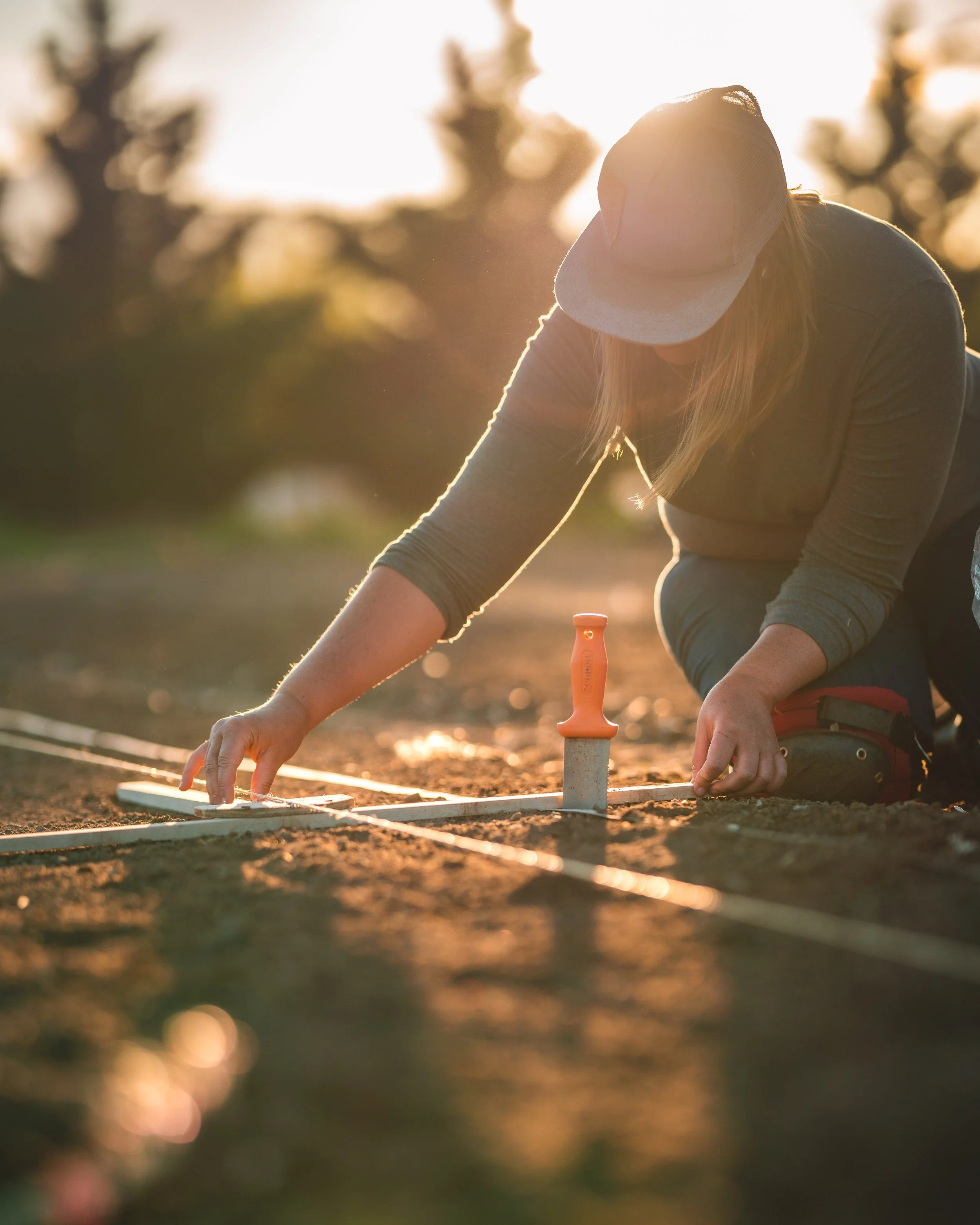
Hori hori knife
Gift certificates
Gift certificates to a favorite seed company, dahlia tuber grower, or supply shop are always appreciated — they let growers choose exactly what they need when the timing is right. A massage or bodywork gift certificate is another incredibly thoughtful option, especially during physically demanding parts of the season when bodies are tired and recovery matters.Hand salves or balms
Sharpies and plant markers
These are the gifts that don’t sit on a shelf — they quietly support the work.
A Few More Thoughtful Ideas (Comfort & Everyday Favorites)
Some gifts don’t fall neatly into tools or education — they simply make long days more comfortable.
Comfortable workwear (garden bibs)
Waterproof work boots
Audiobooks or music subscriptions (Audible or Spotify)
Wireless headphones
Epsom salt for bath soaks
Sun hats or baseball caps
Waterbottle + electrolyte packets
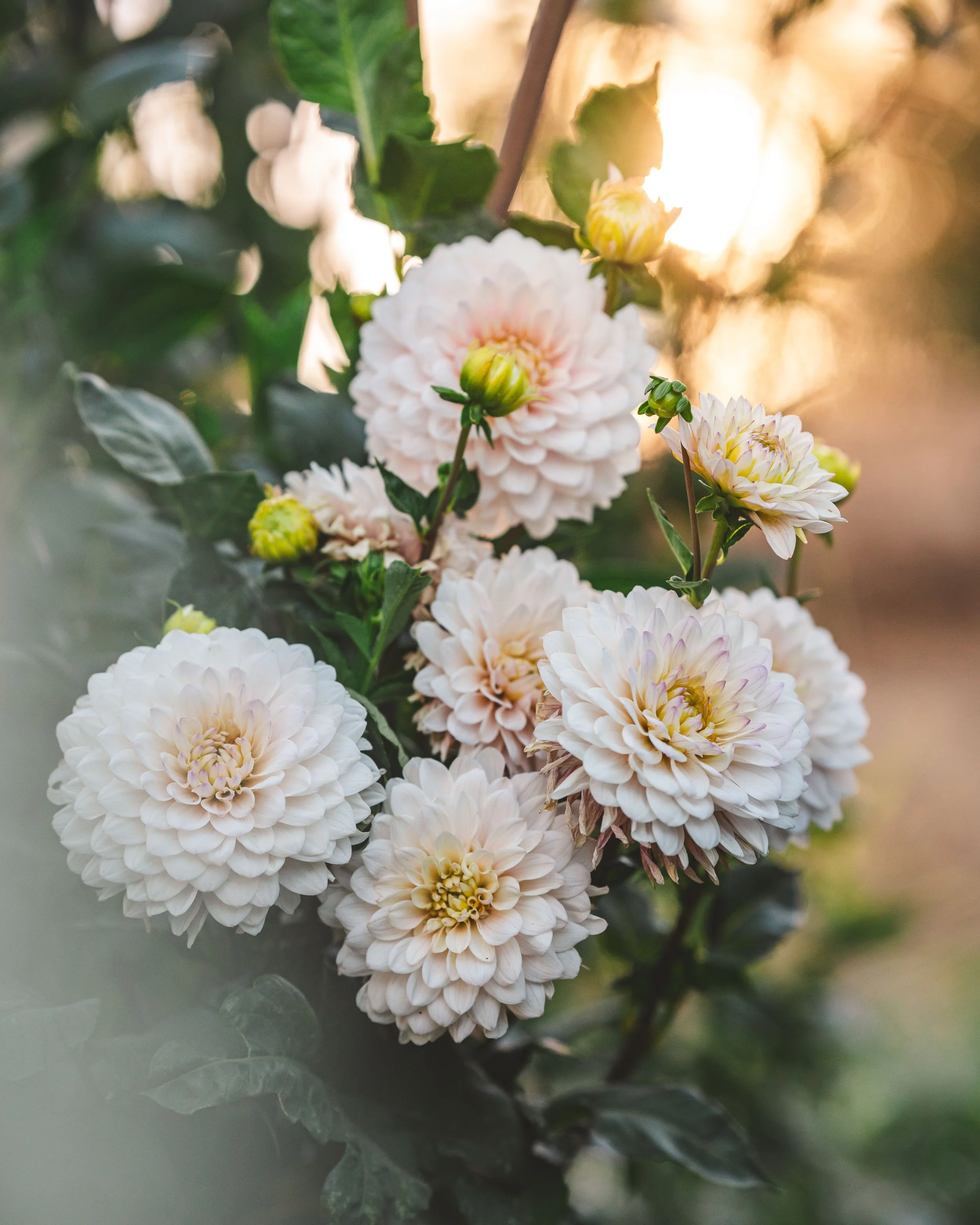
Thoughtful tools, books, and resources have a way of shaping a farm quietly over time. Many of the items in this guide were once gifts to me — and they’ve been used, relied on, and appreciated for years.
If you’re shopping for a flower farmer, know that these are more than just “gifts.” They’re tools and resources that can support someone through a season, build confidence, and sometimes even make the difference between a frustrating year and a successful one. And if you’re shopping for yourself, I hope this list helps you choose items that genuinely support your work and your goals.
However you’re entering the next season, I hope it feels supported.
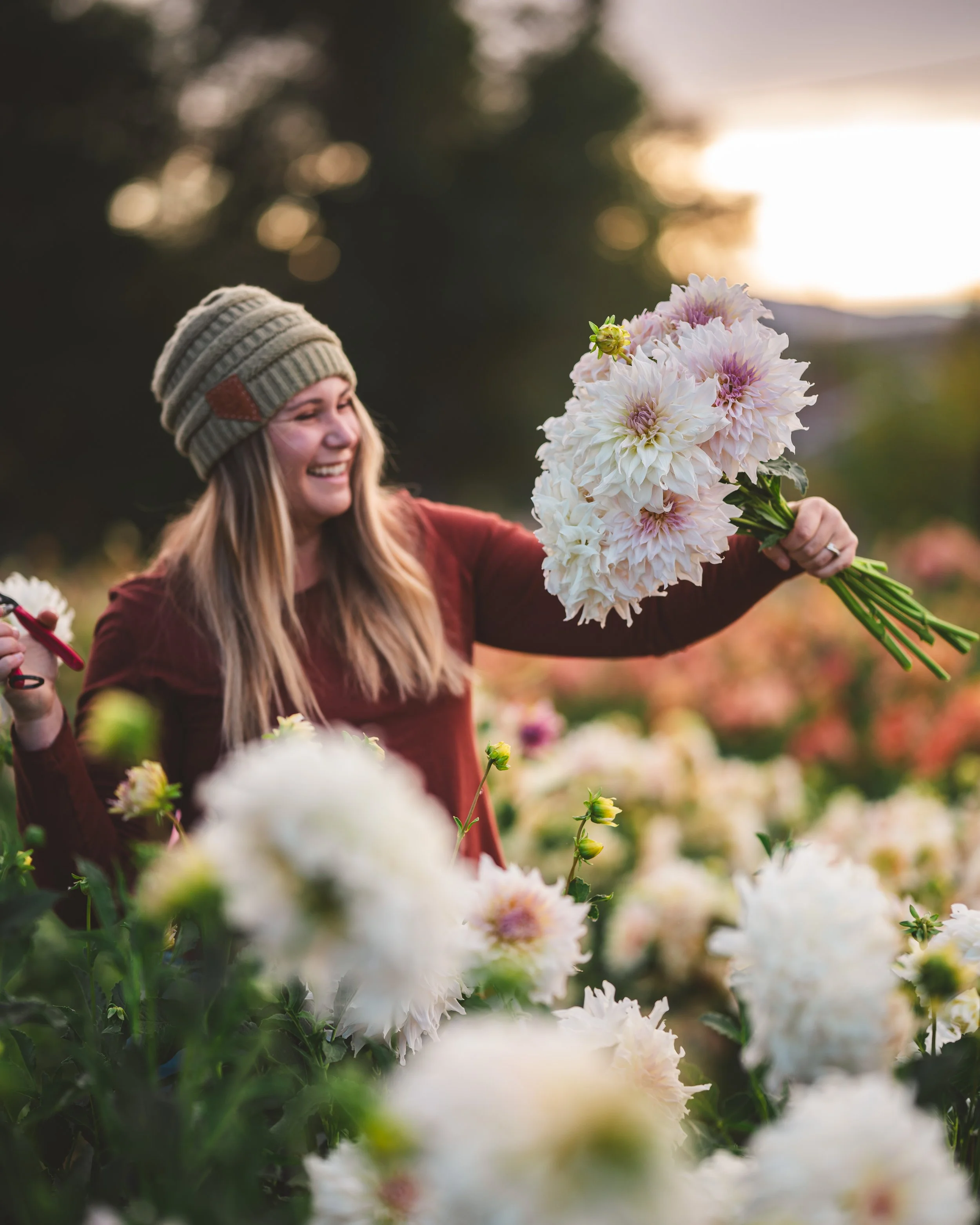
We are looking forward to sharing more blooms with you soon.
Jessica & Graham